

Hey there! As a hex head bolt supplier, I often get asked if there are different types of hex head bolts. The answer is a big yes! Hex head bolts come in various shapes, sizes, and materials to suit different applications. In this blog, I'll break down the different types and help you understand which one might be right for your needs.
Types Based on Material
Alloy Steel Stud Bolt
Alloy steel stud bolts are a popular choice in many industries. They are made by combining iron with other elements like chromium, nickel, and molybdenum. This combination gives them enhanced strength and corrosion resistance compared to regular steel bolts. Alloy steel stud bolts can withstand high temperatures and heavy loads, making them ideal for applications in the automotive, aerospace, and construction industries. You can check out more about Alloy Steel Stud Bolt on our website.

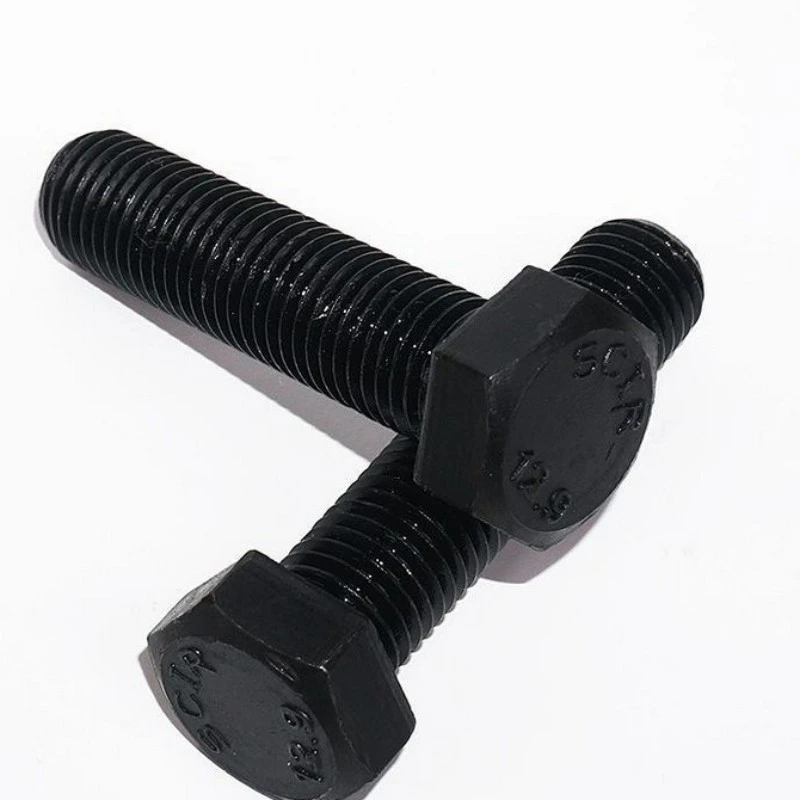
Stainless Steel Stud Bolt
Stainless steel stud bolts are known for their excellent corrosion resistance. They contain at least 10.5% chromium, which forms a passive oxide layer on the surface of the bolt, protecting it from rust and other forms of corrosion. These bolts are commonly used in outdoor applications, marine environments, and food processing industries where hygiene and corrosion resistance are crucial. If you're interested in stainless steel stud bolts, you can find more details here.
High Strength Steel Hex Head Bolts
High strength steel hex head bolts are designed to handle extreme loads and stresses. They are made from high-quality steel that has been heat-treated to increase its strength. These bolts are commonly used in structural applications, such as building bridges, skyscrapers, and industrial machinery. The high strength of these bolts ensures the safety and stability of the structures they are used in. You can learn more about High Strength Steel Hex Head Bolts on our site.
Types Based on Thread Design
Coarse Thread Bolts
Coarse thread bolts have a larger pitch between the threads compared to fine thread bolts. They are easier to install and remove, especially in soft materials like wood or aluminum. Coarse thread bolts are also more resistant to stripping, making them a good choice for applications where the bolt may need to be tightened and loosened frequently.
Fine Thread Bolts
Fine thread bolts have a smaller pitch between the threads, which allows for a more precise fit. They are commonly used in applications where a tight and secure connection is required, such as in machinery and automotive engines. Fine thread bolts also provide better resistance to vibration, reducing the risk of the bolt loosening over time.
Types Based on Head Style
Standard Hex Head Bolts
Standard hex head bolts are the most common type of hex head bolt. They have a six-sided head that can be easily tightened using a wrench or socket. These bolts are used in a wide range of applications, from simple household repairs to large-scale industrial projects.
Flange Hex Head Bolts
Flange hex head bolts have a built-in washer-like flange under the head. This flange provides a larger bearing surface, which helps distribute the load evenly and reduces the risk of the bolt loosening. Flange hex head bolts are commonly used in applications where a high clamping force is required, such as in automotive engines and heavy machinery.
Shoulder Hex Head Bolts
Shoulder hex head bolts have a smooth, unthreaded section between the head and the threaded portion. This shoulder provides a precise location for the bolt and helps align the parts being fastened. Shoulder hex head bolts are commonly used in applications where accurate positioning is crucial, such as in machinery and equipment.
How to Choose the Right Hex Head Bolt
Choosing the right hex head bolt depends on several factors, including the application, the material being fastened, the load requirements, and the environmental conditions. Here are some tips to help you make the right choice:
- Consider the Material: As mentioned earlier, different materials offer different properties. Choose a material that is suitable for the application and the environmental conditions. For example, if you're working in a corrosive environment, stainless steel or alloy steel bolts may be a better choice.
- Determine the Thread Size and Pitch: The thread size and pitch of the bolt should match the requirements of the application. Make sure to choose a bolt with the correct thread size and pitch to ensure a proper fit.
- Evaluate the Head Style: The head style of the bolt can affect its ease of installation and the amount of torque that can be applied. Choose a head style that is suitable for the application and the tools you have available.
- Check the Grade and Strength: The grade and strength of the bolt indicate its ability to withstand loads and stresses. Make sure to choose a bolt with the appropriate grade and strength for the application.
Conclusion
In conclusion, there are many different types of hex head bolts available, each with its own unique properties and applications. As a hex head bolt supplier, I can help you choose the right bolt for your needs. Whether you're looking for alloy steel stud bolts, stainless steel stud bolts, or high strength steel hex head bolts, we have a wide range of options to choose from.
If you're interested in purchasing hex head bolts or have any questions about our products, please don't hesitate to contact us. We're here to help you find the best solution for your project.
References
- Machinery's Handbook, 31st Edition
- ASME B18.2.1 - Square and Hex Bolts and Screws (Inch Series)
- ASTM International Standards for Bolts and Fasteners


