

Can halfen channels be used in bridge construction? Well, that's a question I get asked a lot as a halfen channel supplier. And let me tell you, the answer is a resounding yes! In this blog, I'm gonna break down why halfen channels are not only suitable but also a great choice for bridge construction.
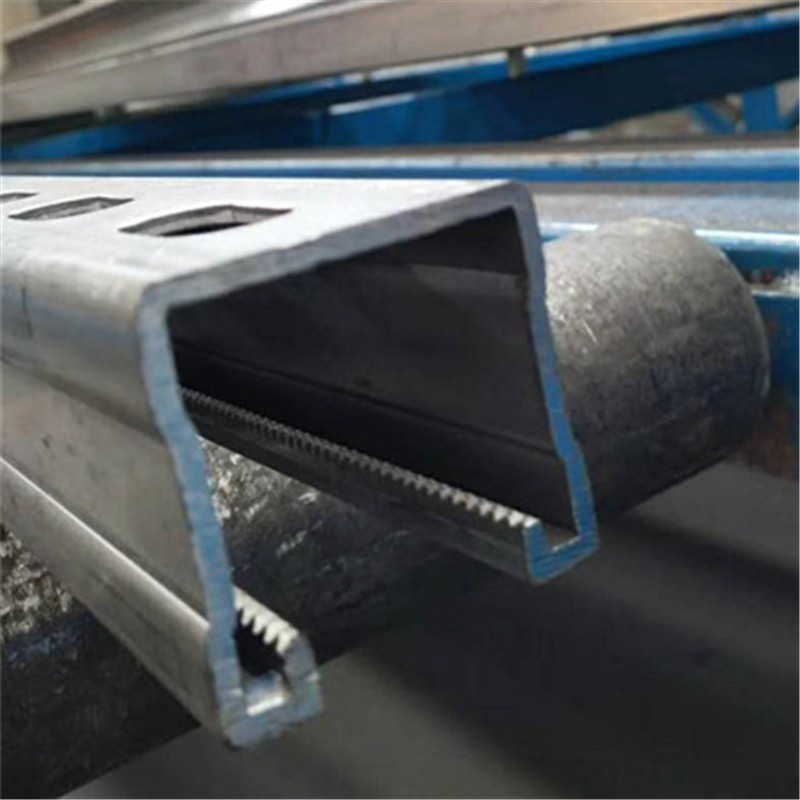
First off, let's talk about what halfen channels are. They're basically metal channels that are used in construction for a variety of purposes. They come in different types, like Electro - galvanised Halfen Tanks, Hot - dip Light - duty Halfen Channel, and Hot - dip Seismic Halfen Channel. Each type has its own unique features and benefits, which makes them versatile for different construction needs.
One of the main reasons halfen channels are so great for bridge construction is their strength. Bridges need to be able to withstand a lot of weight and stress, and halfen channels are designed to handle just that. They're made from high - quality materials that are strong and durable. For example, the hot - dip galvanized ones have a protective coating that makes them resistant to corrosion. This is super important for bridges, which are often exposed to the elements like rain, snow, and saltwater.
Another advantage is the ease of installation. When you're building a bridge, time is of the essence. Halfen channels are designed to be easily installed, which can save a lot of time and labor costs. They can be pre - installed in the formwork before the concrete is poured, which means they become an integral part of the structure right from the start. This not only speeds up the construction process but also ensures a more secure and stable connection.
Let's take a closer look at some of the specific applications of halfen channels in bridge construction.
Structural Support
Halfen channels can be used to provide structural support in bridges. They can be used to attach various components, such as girders, beams, and columns. By using halfen channels, these components can be securely fastened to the bridge structure, ensuring that the bridge can support the weight of traffic and other loads.
For example, in a large - scale bridge project, halfen channels can be used to connect the main girders to the piers. This connection needs to be strong and reliable, and halfen channels can provide just that. They can distribute the load evenly across the connection, reducing the stress on individual parts of the structure.
Cable Management
Bridges often have a lot of cables, including electrical cables, communication cables, and suspension cables. Halfen channels can be used to manage these cables effectively. They can be used as cable trays or supports, keeping the cables organized and preventing them from getting tangled or damaged.
For instance, in a suspension bridge, the suspension cables need to be properly supported and secured. Halfen channels can be used to attach the cable saddles to the bridge deck, ensuring that the cables are held in place and can function properly.
Seismic Resistance
Earthquakes can pose a significant threat to bridges. That's where Hot - dip Seismic Halfen Channel comes in handy. These channels are designed to absorb and dissipate seismic energy, which can help protect the bridge from damage during an earthquake.
They work by allowing some movement between the connected components while still maintaining a certain level of connection. This flexibility can prevent the bridge from collapsing or suffering major damage during an earthquake.
Architectural Features
Halfen channels can also be used for architectural purposes in bridges. They can be used to create decorative elements or to support architectural features such as lighting fixtures, signage, and handrails.
For example, halfen channels can be used to attach decorative panels to the sides of the bridge, giving it a more aesthetically pleasing look. They can also be used to support lighting fixtures that illuminate the bridge at night, improving safety and visibility.
Now, let's talk about some of the challenges that might come up when using halfen channels in bridge construction.
Compatibility
One of the challenges is ensuring that the halfen channels are compatible with the other materials and components used in the bridge. For example, the channels need to be able to work well with the concrete, steel, and other materials that make up the bridge structure. This requires careful planning and coordination during the design and construction process.
Quality Control
Another challenge is maintaining quality control. As a supplier, I understand the importance of providing high - quality halfen channels. But it's also up to the construction team to ensure that the channels are installed correctly and that they meet the required standards. This means regular inspections and testing to make sure everything is in order.
Cost
Cost is always a consideration in any construction project. While halfen channels offer many benefits, they can also be more expensive than some other alternatives. However, when you consider the long - term savings in terms of durability, maintenance, and performance, the cost can be justified.
In conclusion, halfen channels are a great option for bridge construction. They offer strength, durability, ease of installation, and a variety of applications. Whether you're building a small pedestrian bridge or a large - scale highway bridge, halfen channels can play an important role in ensuring the success of your project.

If you're interested in using halfen channels for your bridge construction project, I'd love to talk to you. Feel free to reach out for more information and to discuss your specific needs. We can work together to find the right halfen channels for your project and ensure a smooth and successful construction process.
References
- "Bridge Engineering Handbook" by Wei - Fen Chen
- "Construction Materials: Properties, Applications, and Performance" by Michael S. Mamlouk and John P. Zaniewski


