

Calculating the number of halfen channels needed for a project is a crucial step that requires careful consideration of various factors. As a halfen channel supplier, I've encountered numerous clients who are often unsure about how to accurately determine this quantity. In this blog post, I'll guide you through the process, sharing insights and tips based on my years of experience in the industry.

Understanding Halfen Channels
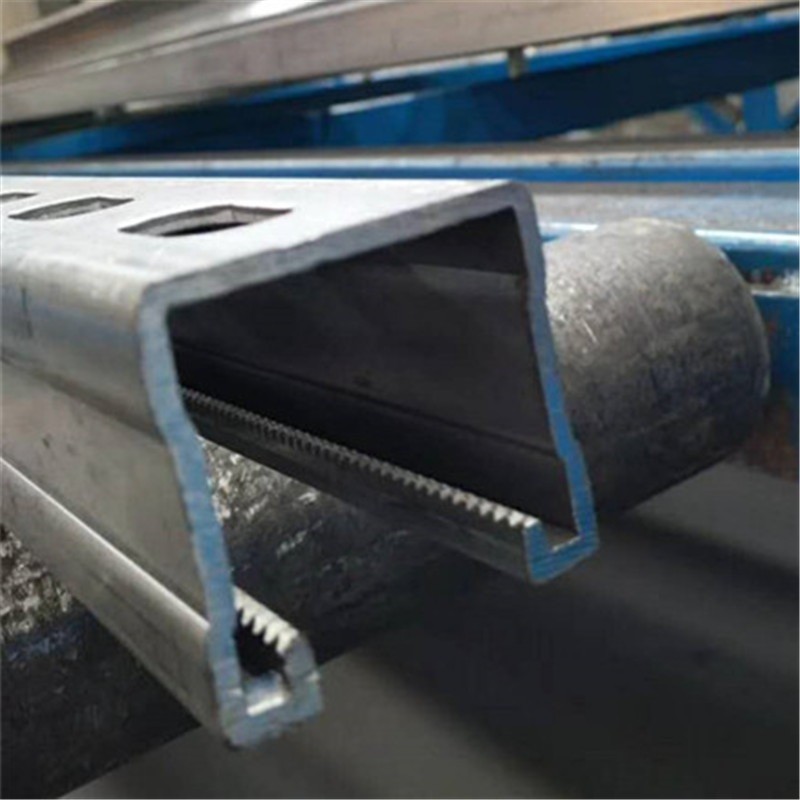
Before diving into the calculation, it's essential to have a clear understanding of what halfen channels are and their applications. Halfen channels are structural components commonly used in construction for attaching various elements such as steel structures, facades, and partitions to concrete or masonry. They provide a reliable and adjustable connection point, allowing for easy installation and adjustment of attached components.
There are different types of halfen channels available in the market, each designed for specific applications. For example, the Halfen Anchor Channel is widely used for anchoring structural elements to concrete, while the Halfen Channel Bolts are used to secure objects within the channel. The Hot-dip Seismic Halfen Channel is specifically designed to withstand seismic forces, making it ideal for use in earthquake-prone areas.
Factors Affecting the Number of Halfen Channels
Several factors influence the number of halfen channels required for a project. These include:
1. Load Requirements
The first and most important factor is the load that the halfen channels will need to support. This includes both the static load (the weight of the attached structure) and the dynamic load (such as wind, seismic, or live loads). To determine the load requirements, you need to consider the type of structure being attached, its size, and the environmental conditions it will be exposed to.
For example, a large steel facade will require more halfen channels to support its weight compared to a small partition wall. Similarly, a structure located in an area with high wind or seismic activity will need additional channels to ensure its stability.
2. Spacing and Layout
The spacing and layout of the halfen channels also play a significant role in determining the quantity needed. The channels should be spaced at regular intervals to evenly distribute the load and prevent overloading of individual channels. The spacing will depend on the load requirements, the type of structure being attached, and the manufacturer's recommendations.
In general, closer spacing is required for heavier loads or more critical applications. For example, in a high-rise building, the halfen channels used to support the facade may need to be spaced closer together compared to those used in a single-story building.
3. Structural Design
The structural design of the project will also impact the number of halfen channels. The design should take into account the location and orientation of the channels, as well as the connection details between the channels and the attached structure. A well-designed structure will ensure that the halfen channels are used efficiently and effectively.
For example, if the design allows for the use of fewer channels by distributing the load more evenly, then the overall quantity of channels required will be reduced. On the other hand, a poorly designed structure may require additional channels to compensate for design flaws.
4. Project Size and Scope
The size and scope of the project are obvious factors that affect the number of halfen channels needed. Larger projects will generally require more channels compared to smaller ones. Additionally, the complexity of the project, such as the presence of multiple levels or irregular shapes, may also increase the quantity of channels required.
Calculating the Number of Halfen Channels
Now that we've discussed the factors affecting the number of halfen channels, let's look at the steps involved in calculating the quantity.
Step 1: Determine the Load per Channel
The first step is to calculate the load that each halfen channel will need to support. This can be done by dividing the total load (static + dynamic) by the number of channels required to support it. The load per channel should not exceed the maximum load capacity specified by the manufacturer.
For example, if the total load on a structure is 10,000 pounds and the manufacturer recommends a maximum load capacity of 2,000 pounds per channel, then at least 5 channels will be required (10,000 / 2,000 = 5).
Step 2: Calculate the Spacing
Once you've determined the load per channel, you can calculate the spacing between the channels. The spacing will depend on the load per channel, the type of structure being attached, and the manufacturer's recommendations.
For example, if the load per channel is 2,000 pounds and the manufacturer recommends a spacing of 24 inches for this load, then the channels should be spaced 24 inches apart.
Step 3: Determine the Total Length of the Installation
Next, you need to determine the total length of the area where the halfen channels will be installed. This can be done by measuring the length of the walls, columns, or other structural elements where the channels will be attached.
Step 4: Calculate the Number of Channels
Finally, you can calculate the number of halfen channels required by dividing the total length of the installation by the spacing between the channels. Round up the result to the nearest whole number to ensure that you have enough channels.
For example, if the total length of the installation is 100 feet (1,200 inches) and the spacing between the channels is 24 inches, then the number of channels required is 50 (1,200 / 24 = 50).
Example Calculation
Let's walk through an example to illustrate the calculation process. Suppose you're working on a project to install a steel facade on a three-story building. The total weight of the facade is 20,000 pounds, and the manufacturer recommends a maximum load capacity of 3,000 pounds per channel. The facade will be installed on four walls, each with a length of 50 feet.
Step 1: Determine the Load per Channel
The total load on the facade is 20,000 pounds. Dividing this by the maximum load capacity per channel (3,000 pounds), we get approximately 6.67. Rounding up to the nearest whole number, we need at least 7 channels to support the load.
Step 2: Calculate the Spacing
The manufacturer recommends a spacing of 30 inches for a load of 3,000 pounds per channel.
Step 3: Determine the Total Length of the Installation
The total length of the four walls is 4 x 50 feet = 200 feet (2,400 inches).
Step 4: Calculate the Number of Channels
Dividing the total length of the installation (2,400 inches) by the spacing between the channels (30 inches), we get 80 channels.
In this example, we need at least 80 halfen channels to install the steel facade.
Tips for Accurate Calculation
To ensure accurate calculation of the number of halfen channels, consider the following tips:
- Consult the Manufacturer: Always refer to the manufacturer's specifications and recommendations when calculating the load capacity and spacing of the channels. The manufacturer's guidelines are based on extensive testing and research and will ensure the safe and effective use of the channels.
- Consider Future Expansion: If there is a possibility of future expansion or modification of the structure, it's a good idea to include some additional channels in your calculation. This will save you time and money in the long run by avoiding the need for additional installation work.
- Get Professional Advice: If you're unsure about any aspect of the calculation, it's advisable to consult a structural engineer or a professional in the construction industry. They can provide valuable insights and guidance based on their expertise and experience.
Conclusion
Calculating the number of halfen channels needed for a project is a complex process that requires careful consideration of various factors. By understanding the load requirements, spacing, and layout, as well as following the steps outlined in this blog post, you can accurately determine the quantity of channels required for your project.
As a halfen channel supplier, I'm committed to providing high-quality products and excellent customer service. If you have any questions or need assistance with calculating the number of halfen channels for your project, please don't hesitate to contact me. I'll be happy to help you with your procurement needs and ensure that you get the right products for your project.
References
- Manufacturer's specifications and technical data sheets for halfen channels.
- Structural engineering textbooks and guidelines.
- Industry standards and codes related to construction and anchoring systems.


